

You perform, but recover less well
You maintain the pace at work or in sport, but sleep, energy or adaptability no longer respond in the same way.
Psychoneuroimmunology (PNI)
PNI explores how habits, stress, sleep, digestion, metabolism and immune regulation interact.

It may start here
The assessment starts with what you notice, what life demands of you and what you want to recover or prevent.
You maintain the pace at work or in sport, but sleep, energy or adaptability no longer respond in the same way.
Your schedule, mental load, light, activity and diet may be interfering with the same recovery process.
Digestive discomfort, food tolerance or changes in bowel habits begin to affect your energy and routines.
You want to understand trends, risk factors and modifiable habits before a problem limits your life.
The body responds as a network. PNI organises that information to set clinically meaningful priorities.
Psychosocial load, neuroendocrine response and adaptation strategies.
Timing, rest, light exposure and physiological recovery.
Habits, symptoms, digestive function and the gut-brain axis.
Energy, body composition, activity and available biomarkers.
Modifiable factors that influence response and resolution.
Sleep, stress, nutrition and activity in their neuroendocrine context.
The process
The plan is built after assessing the case and adjusted as it evolves.
Your reason for attending, history, goals, medication, supplements and personal context.
Habits, nutrition, sleep, stress, activity, digestion, recovery and available tests.
Define what matters, what can be modified and what needs medical assessment.
Set realistic goals and progressive lifestyle strategies within the scope of PNI.
Assess adherence, symptoms, objective measures and response before adapting the plan.
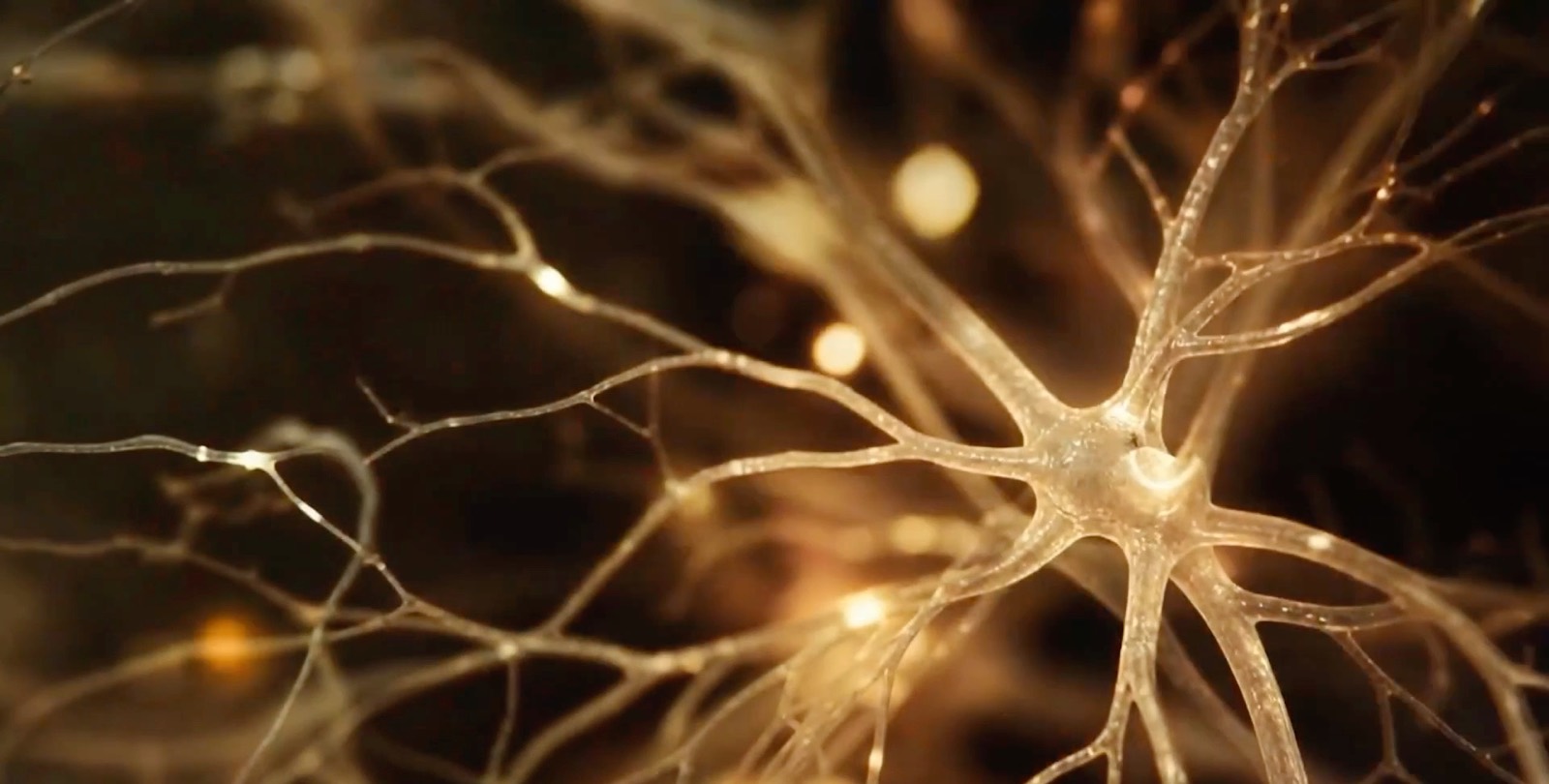
Health does not mean never responding to stress. It means adapting, recovering regulation and becoming available again.
At ETRYUM, this biological flexibility becomes a practical principle: do not accumulate interventions, but understand which mechanism deserves attention and how its progress can be assessed.
Areas of intervention
These are not fixed packages. Areas are selected and combined according to the initial assessment, goals and progress.
Dietary, behavioural, sleep and stress factors related to digestive function.
Load, habits, recovery and adaptation strategies suited to your context.
Timing, light exposure, routines and factors that interfere with restorative sleep.
Nutrition, activity, sleep, stress and metabolic trends that may be modified.
Habits and context associated with inflammatory processes and adaptability.
Sleep, load, nutrition, stress and recovery for athletes and high-demand professionals.
Versions
The plan is built around what your life demands and the stage you are in.
Who it is for: People who train or compete and notice they recover worse, sleep worse or perform below expectations.
What it focuses on
Who it is for: Women whose hormonal stages affect their energy, rest, digestion or mood.
What it focuses on
Who it is for: Professionals who sleep but don’t rest, and feel daily demands are already taking their toll.
What it focuses on
Clinical judgement
PNI does not replace medical diagnosis or treatment. If warning signs, abnormal results or a concern requiring investigation appear, the case is coordinated with the appropriate professional.
Tests and biomarkers are interpreted in context. An isolated value does not become a diagnosis or a promise of results.
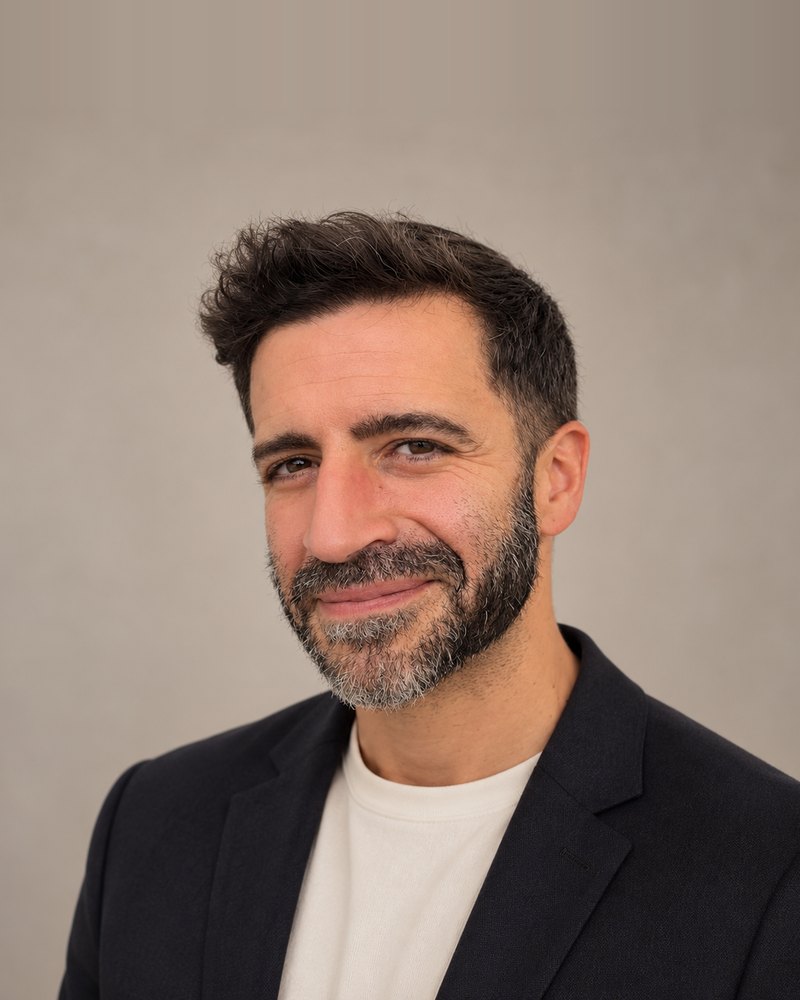
Your specialist
Psychoneuroimmunology
Stress · Sleep · Metabolism · Digestive health
A registered nurse (Alicante College of Nursing, no. 15778) with postgraduate training in clinical psychoneuroimmunology. Cristóbal brings together the person's history, habits, environment and available clinical information to build an individual, progressive and reviewable plan. He coordinates with medicine, physiotherapy and other professionals when needed.
View full profileNo. You may attend because of a group of symptoms, difficulty recovering or a preventive goal. The first assessment organises the information and identifies the appropriate next step.
Any recent reports, blood tests or investigations you already have, plus an up-to-date list of medication and supplements. You do not need new tests before speaking to the team.
No. PNI works on habits and modifiable factors within its scope. Diagnosis, prescribing and medical treatment remain the responsibility of a physician and are coordinated when appropriate.
No. The areas, intensity and duration are decided after assessment and adapted to response, adherence and goals.
Yes. It can assess sleep, habits, load, stress and recovery, coordinating with sports medicine or physiotherapy when needed.
No. The form is only for requesting contact and arranging an assessment. Clinical documents are collected later through the appropriate channels.
Comprehensive PNI assessment
Leave your details to request an assessment with Cristóbal Becerril. The team will contact you personally to guide you and arrange the appointment.
Prefer to speak directly? +34 621 172 479 · info@etryum.com
We have received your request.

ETRYUM reception · Patient careOur reception team will write to you personally within 24 hours (working days).