

An injury is stopping your activity
Pain, instability, loss of strength or restriction is preventing you from training, competing or moving with confidence.
Orthopaedics and sports medicine
Musculoskeletal assessment connected with treatment, rehabilitation and a safe return to activity.
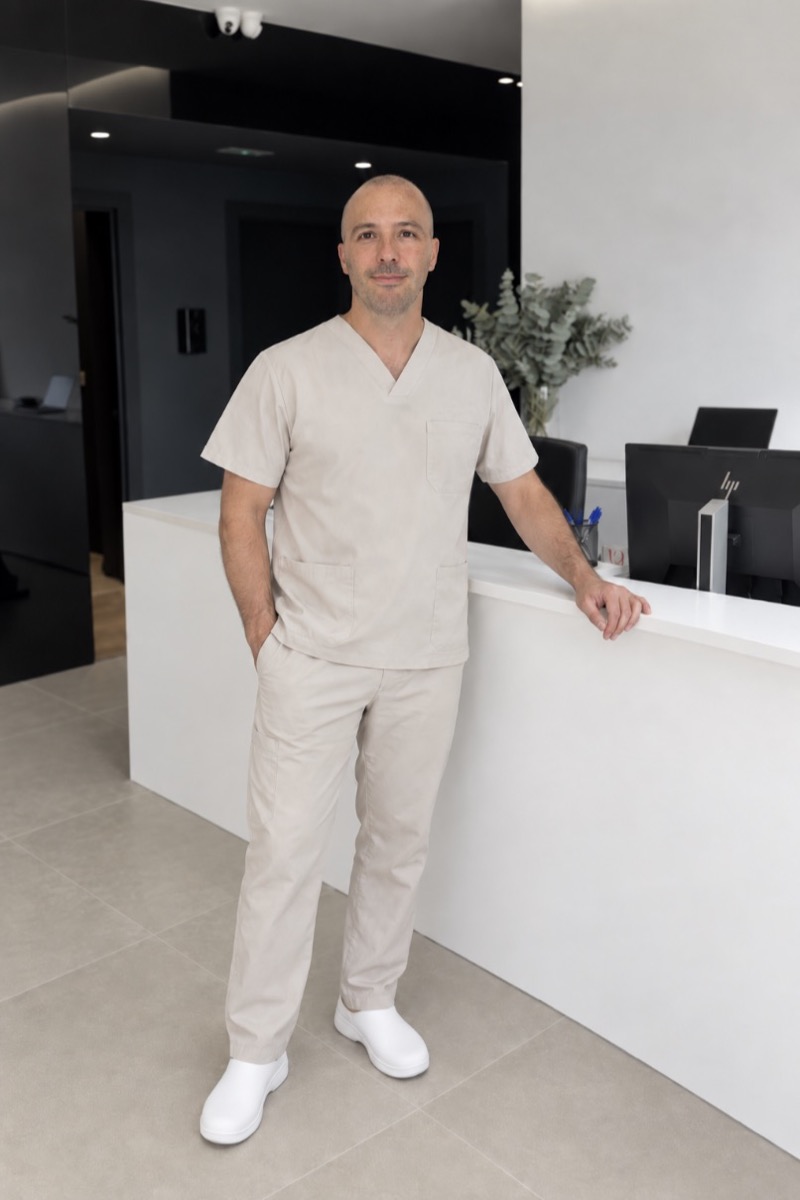
The assessment starts with the injury and ends with a clear decision for your life, work or sport.
Pain, instability, loss of strength or restriction is preventing you from training, competing or moving with confidence.
You have reduced activity, tried treatment or learned to compensate, but function has not returned.
You want to understand whether to monitor, rehabilitate, inject, investigate further or consider surgery.
Less pain is not enough. You need tolerance, confidence and capacity for the specific demand.
Imaging and examination are interpreted alongside function and the person's real demands.
Which structure is affected and how severe it is.
Which movement, load or task is limited.
Which activity, work or sport you need to return to.
Which option offers a reasonable balance of benefit, risk and time.
The clinical pathway
Treatment does not end when pain falls. It ends when there is a safe, functional direction.
Review the injury, mechanism, progression and return goals.
Clinical assessment, movement and imaging when it adds useful information.
Explain conservative, interventional or surgical options and their limits.
Coordinate the recovery of movement, strength, load and confidence.
Use functional criteria before increasing demand or returning to sport.
A scan shows a structure. Returning to activity requires understanding the whole person.
Two similar injuries may need different pathways depending on function, sport, work, history and response to load.
The approach adapts to the diagnosis, stage, demands and goals of each person.
Meniscal or ligament injuries, pain, instability, osteoarthritis and surgical assessment.
Pain, instability, tendon problems, sports injuries and restrictions in arm use.
Acute and overload problems in active people and athletes at different levels.
Conservative and surgical options based on symptoms, function and expectations.
A review of diagnosis and alternatives before an important decision.
Coordination between surgery, physiotherapy and functional progression while respecting tissue healing.
Versions
The approach changes depending on the activity you need to return to and the stage of life you are in.
Who it is for: Recreational, competitive or elite athletes with an injury that is holding back their training or competition.
What it focuses on
Who it is for: Those who want to keep moving, travelling and doing what they enjoy without pain or wear deciding for them.
What it focuses on
Many injuries are treated without surgery. When an operation is indicated, the decision is explained and connected from the start with functional recovery and return to activity.
Biological treatments, injections or procedures are considered only after individual medical assessment and never replace well-indicated rehabilitation.
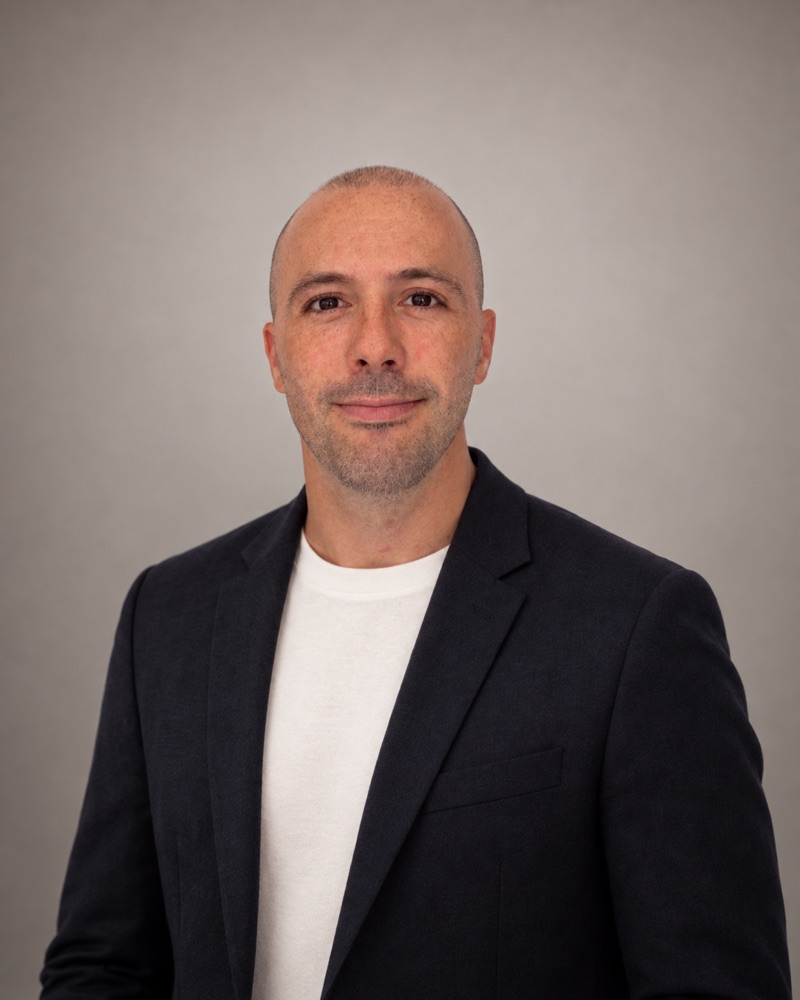
The specialist
Orthopaedic and trauma surgery
Knee, shoulder and sports injury
An orthopaedic and trauma surgeon with a particular focus on knee, shoulder and sports-related injuries. He works with surgical and non-surgical options and is especially interested in connecting each decision with rehabilitation, function and return to sport. At ETRYUM he also leads sports medicine.
View full profileNo. Bring any imaging and reports you already have. After examination, the specialist will decide whether further imaging may change diagnosis or treatment.
No. Many injuries are managed conservatively. Surgery is considered only when it may offer a reasonable benefit compared with other options. If it is indicated, it takes place in a hospital and recovery continues at ETRYUM.
Yes, when relevant. Orthopaedics and physiotherapy can share goals, load limits and progression criteria to avoid conflicting advice.
No. Assessment also supports people with pain, joint degeneration, everyday limitations, work-related injuries or recovery after surgery.
ETRYUM is not an emergency service. For severe trauma, deformity, sudden loss of strength or sensation, uncontrolled pain or circulatory compromise, seek emergency care.
Musculoskeletal assessment
Leave your details to request an assessment with Dr Pablo Clemente. The team will contact you personally to arrange the appointment.
Prefer to speak directly? +34 621 172 479 · info@etryum.com
We have received your request.

ETRYUM reception · Patient careOur reception team will write to you personally within 24 hours (working days).