

They say the eyes are the mirror of the soul. If that is true, we can also say that the skin is the mirror of the body.
It is not just a wrapping: it is a living organ that protects, defends and, sometimes, warns. Our skin says a great deal about us. At times it shows our bad habits, how well we rest or how stressed we are; it can reflect our whole way of life and, on top of that, warn us that something inside may not be working as it should.
Skin is the first thing we see of ourselves every morning. Perhaps that is why we tend to think of it in terms of appearance and beauty. But skin is much more than that. It is the largest organ of the body, and it is in constant conversation with the rest of the organism.
Sometimes it reflects how well we are looking after ourselves. And sometimes, if we know how to look, it tells us that something deserves attention.
In short: skin is a barrier, an immune organ, a sensor and a regulator. Some signs on it (dark patches on the neck, yellowish deposits on the eyelids, wounds that will not heal) can reflect what is happening inside and are worth a consultation. What ages it most is sun and tobacco, and the care with the strongest evidence is daily sun protection. A few well-chosen products work better than a ten-step routine, and good aesthetics starts with healthy skin.
Much more than a layer
A barrier
It keeps the body's water in and slows the entry of microorganisms, allergens and irritants. When that barrier is disrupted, the skin dries out, becomes irritated and reacts more.
An immune organ
It hosts defence cells and its own microbiome. It is an active frontier, not a passive wall.
A sensor
It perceives touch, temperature, pressure and pain, and passes that information to the nervous system continuously.
A regulator
It helps control body temperature and, with sunlight, takes part in producing vitamin D.
Skin is not a wrapping: it is a living frontier between your body and the world around it.
What can your skin tell you about your health?
Skin can show signs of what is happening inside the body. None of them is a diagnosis on its own, but it is important to see a professional if they appear or persist for a while:
- Dark, velvety patches on the neck or armpits, which can be linked to insulin resistance.
- Small yellowish deposits on the eyelids, a reason to check cholesterol.
- Marked paleness, which can come with anaemia.
- Very dry skin, brittle hair or nails, sometimes related to thyroid problems or nutritional deficiencies.
- Wounds that take a long time to heal, a reason to check blood glucose and circulation.
- Generalised itching with no visible rash, which should be assessed by a doctor.
- Flare-ups that coincide with stress or poor sleep, common in acne, dermatitis and psoriasis.
That is why at ETRYUM, when something in the skin does not add up, we do not just treat the surface: we discuss it with the medical team and look for the root of the problem.
What really ages the skin?
Not every factor carries the same weight, and it helps to separate what is proven from what is still being studied:
- The sun: proven. Ultraviolet radiation is the main cause of visible ageing in sun-exposed skin (spots, wrinkles, loss of elasticity) and of skin cancer.
- Tobacco: proven. It reduces blood flow to the skin and breaks down collagen.
- Sleep and stress: solid support. Poor sleep and ongoing stress slow the recovery of the skin barrier and encourage inflammatory flare-ups.
- Diet: under study. A diet high in sugar and ultra-processed food has been linked to acne and to collagen damage, although the evidence is not yet firm.
- Time. Ageing is an entirely natural process that is part of life, and it shows in our skin too. Over the years the production of collagen, elastin and hyaluronic acid gradually falls, which can lead to a loss of firmness, hydration and elasticity. We cannot stop ageing, but we can help our skin stay healthy for longer. Caring for your skin does not mean avoiding ageing; it means going through it in a healthy way.
Which skincare actually works?
In skincare, fewer products, better chosen, usually works better than a ten-step routine:
-
01
Gentle cleansing
Without stripping the skin's natural oils. Over-cleansing also damages the barrier.
-
02
Moisturising
A cream suited to your skin type helps maintain the barrier, especially with age and in winter.
-
03
Daily sun protection
UV radiation can increase oxidative stress and the activity of enzymes that break down the dermal matrix, and so contributes to skin ageing. A broad-spectrum sunscreen every day, not only in summer. It is the care with the most evidence: it prevents spots, wrinkles and skin cancer.
-
04
Actives, when indicated
Every skin has different needs, and there are key actives for each type. With professional advice you can build a simple, effective routine. Retinol, salicylic acid, glycolic acid and hyaluronic acid are pillars of effective care: they improve the texture and look of the skin and help clear impurities.
-
05
The foundation
Sleep well, do not smoke, stay active and eat a varied diet. No surface treatment makes up for what is neglected every day from within.
Aesthetics, with clinical judgement
Our skincare treatments aim at much more than improving appearance. Healthy, well-cared-for skin is part of our physical wellbeing, and taking time for self-care can help us feel better about ourselves. Caring for our skin is also a way of caring for ourselves, inside and out.
As we said, skin is the largest organ of the body and is closely tied to protection, sensory perception and our relationship with the world around us. That is why caring for it can be part of an overall wellbeing routine, and why a treatment on it is a clinical act.
At ETRYUM we do not try to change your identity or your essence, but to help you become the best version of yourself, professionally and always with your health as the priority. That includes:
- An assessment first: your history, medication, allergies, pregnancy or skin conditions, and your expectations.
- Recommending only what makes sense, and saying no when a treatment is not right for you.
- Safe technique, in the hands of healthcare professionals, with authorised, traceable products.
- Follow-up after the treatment.
We look for natural results, so that you still recognise yourself in the mirror. The best aesthetics starts with healthy skin.
When should you see someone about your skin?
Care at home
Mild, passing discomfort
Dryness or tightness in winter, a mild flare-up that improves with gentle care and sun protection.
Professional assessment
What does not improve
Recurring flare-ups, acne that leaves marks, persistent itching, signs of premature ageing, dull skin, new spots or changes in nails and hair.
See a doctor
A mole that changes
A new mole, or one that changes shape, colour or size, is asymmetric or has irregular edges, or a sore that bleeds or has not healed in four weeks.
And if you have an allergic reaction with swelling of the lips or tongue, or difficulty breathing, call 112 (the emergency number in Spain and across the EU).
An example to make it clearer
Illustrative case
Nuria, 51
She comes in because her skin has felt drier and duller since the menopause, with new spots on her face, and she asks about a treatment to “rejuvenate” it. She only wears sunscreen in summer, sleeps badly and smokes a few cigarettes a day.
During the assessment we also notice dark, velvety patches on her neck, which she had put down to age. We discuss it with the medical team, who decide to check her glucose metabolism.
We start with the basics: a simple routine, daily sun protection, support to stop smoking and to sleep better. The ideal is to treat the root of the problem and stop the habits we know harm the skin.
When her skin is ready, we decide together on the aesthetic treatment best suited to her, aiming to improve radiance, texture and hydration: the pillars of healthy, “living” skin.
It was never just about changing how Nuria looked, but about her skin reflecting well-cared-for health again.
The comment our patients hear most afterwards: “I don’t know what it is, but you look so much better.”
To finish
In recent years I have had the chance to live in very different places and, as an aesthetic nurse, I pay special attention to our most visible calling card: our skin.
My years in Norway taught me to see factors that damage the skin barrier which I had never considered before, such as snow or freezing winds. My time in Australia, on the other hand, made me even more aware of the damage done by UV radiation and photoageing.
As I said at the start, skin talks. It tells us about our habits, our surroundings, how we sleep, how much sun we have had and how we handle stress.
Protect it every day. Care for it simply. Listen to what it tells you. And treat it with judgement.
Because caring for your skin is also caring for the health that shows.
Sources
- Green AC, et al. Reduced melanoma after regular sunscreen use: randomized trial follow-up. J Clin Oncol. 2011;29(3):257–263.
- Hughes MCB, et al. Sunscreen and prevention of skin aging: a randomized trial. Ann Intern Med. 2013;158(11):781–790.
- Flament F, et al. Effect of the sun on visible clinical signs of aging in Caucasian skin. Clin Cosmet Investig Dermatol. 2013;6:221–232.
- Morita A. Tobacco smoke causes premature skin aging. J Dermatol Sci. 2007;48(3):169–175.
- Oyetakin-White P, et al. Does poor sleep quality affect skin ageing? Clin Exp Dermatol. 2015;40(1):17–22.
- Garg A, et al. Psychological stress perturbs epidermal permeability barrier homeostasis. Arch Dermatol. 2001;137(1):53–59.
- Smith RN, et al. A low-glycemic-load diet improves symptoms in acne vulgaris patients: a randomized controlled trial. Am J Clin Nutr. 2007;86(1):107–115.
- Mukherjee S, et al. Retinoids in the treatment of skin aging: an overview of clinical efficacy and safety. Clin Interv Aging. 2006;1(4):327–348.
- Phiske MM. An approach to acanthosis nigricans. Indian Dermatol Online J. 2014;5(3):239–249.
- Christoffersen M, et al. Xanthelasmata, arcus corneae, and ischaemic vascular disease and death in general population. BMJ. 2011;343:d5497.
- Abbasi NR, et al. Early diagnosis of cutaneous melanoma: revisiting the ABCD criteria. JAMA. 2004;292(22):2771–2776.
- Goodman GJ, Bagatin E. Photoaging and cosmeceutical solutions in sun-overexposed countries: the experience of Australia and Brazil. J Eur Acad Dermatol Venereol. 2024;38(Suppl 4):36–44.
This article is for general information and does not replace an individual medical assessment.
More ETRYUM Insights

It hurts when I play sport: when should I see an orthopaedic surgeon?
Which pain is normal, which deserves a consultation and which cannot wait. And why an MRI does not always tell the whole story. Explained by Dr Pablo Clemente, orthopaedic and trauma surgeon at ETRYUM.
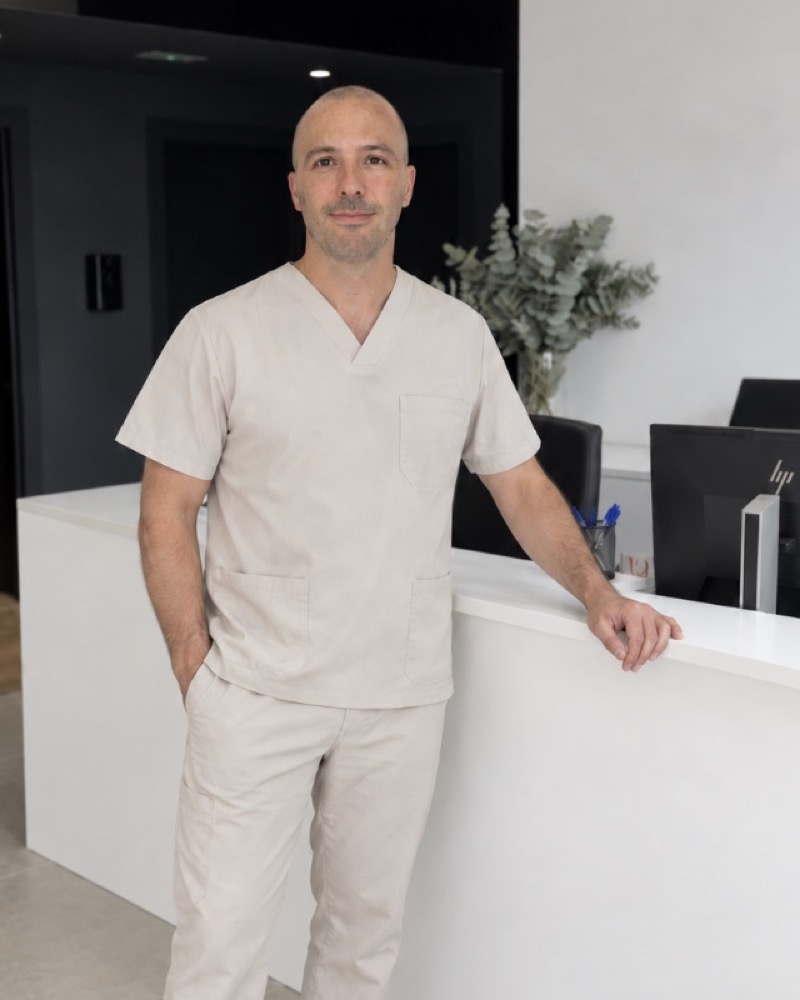
Dr Pablo Clemente · Orthopaedics and sports medicine 19 OCT 2026 · 6 MIN
Your back is much more than a spine
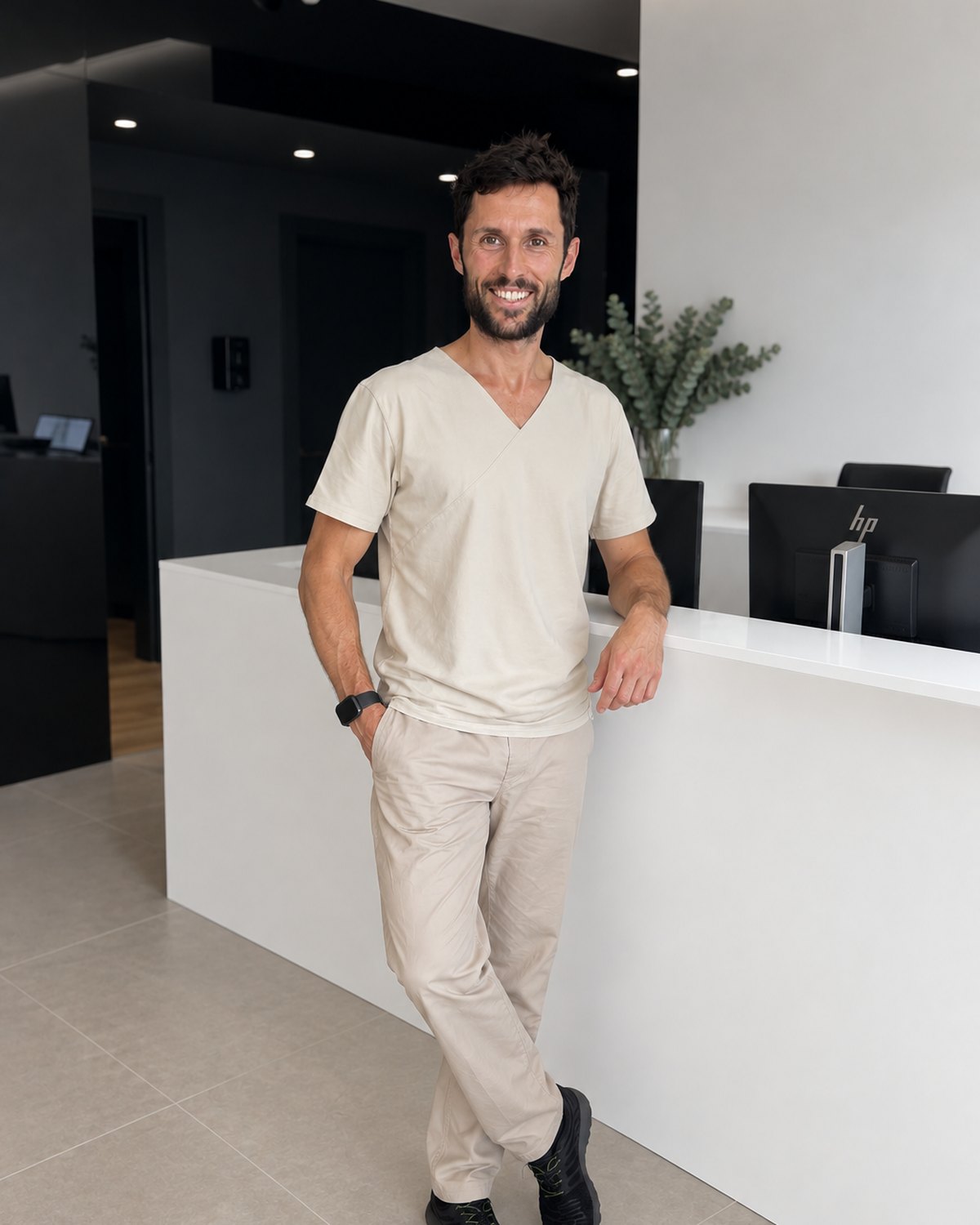
Why back pain is so common and tends to come back, what influences it beyond the spine, which warning signs should not be ignored and why therapeutic exercise is the key. Explained by Samuel Rubio, physiotherapist at ETRYUM.
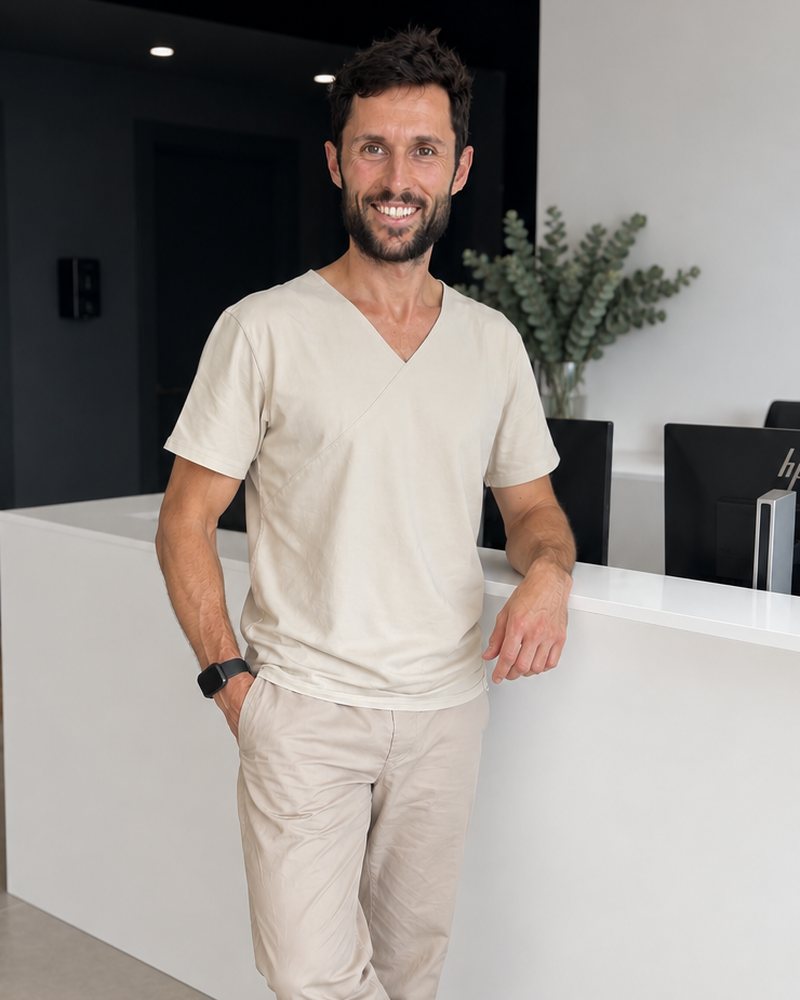
Samuel Rubio · Physiotherapy and recovery 17 OCT 2026 · 7 MIN

Prevention is a habit, and habits need a team
Ronald Bos, Chairman of ETRYUM, has spent four decades helping people adopt new technology and new habits. Here is what that taught him about prevention, and why he believes it only works when people do it together.

Ronald Bos · ETRYUM Vision 14 OCT 2026 · 3 MIN