

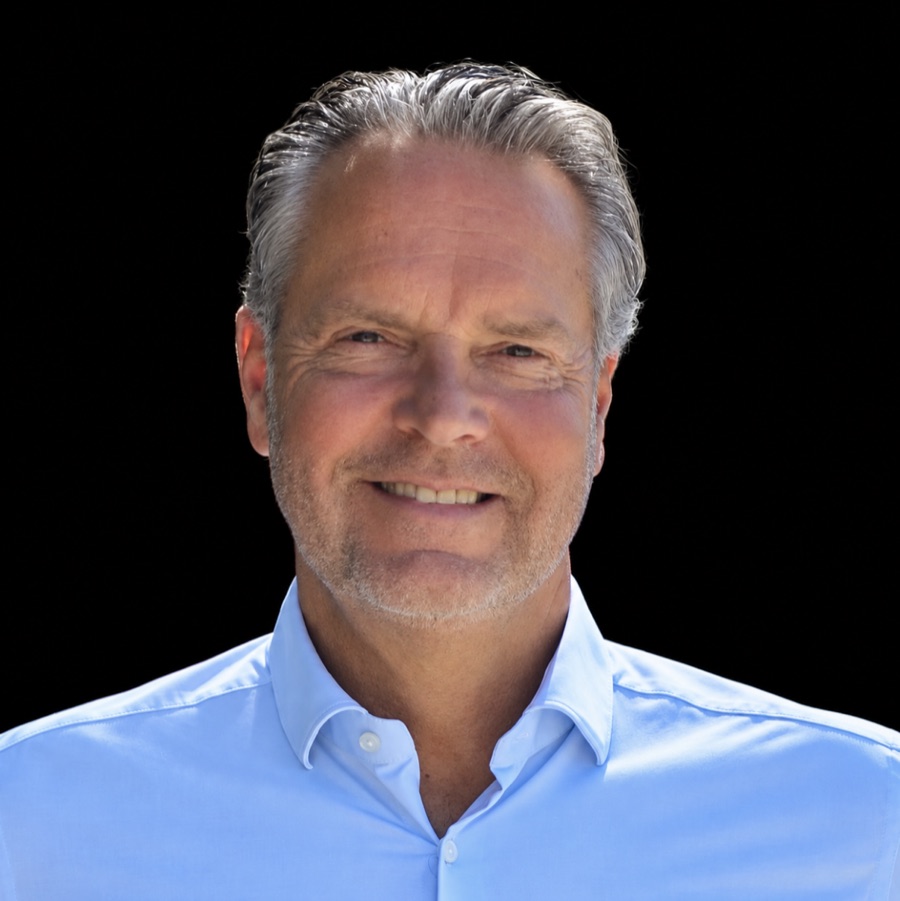
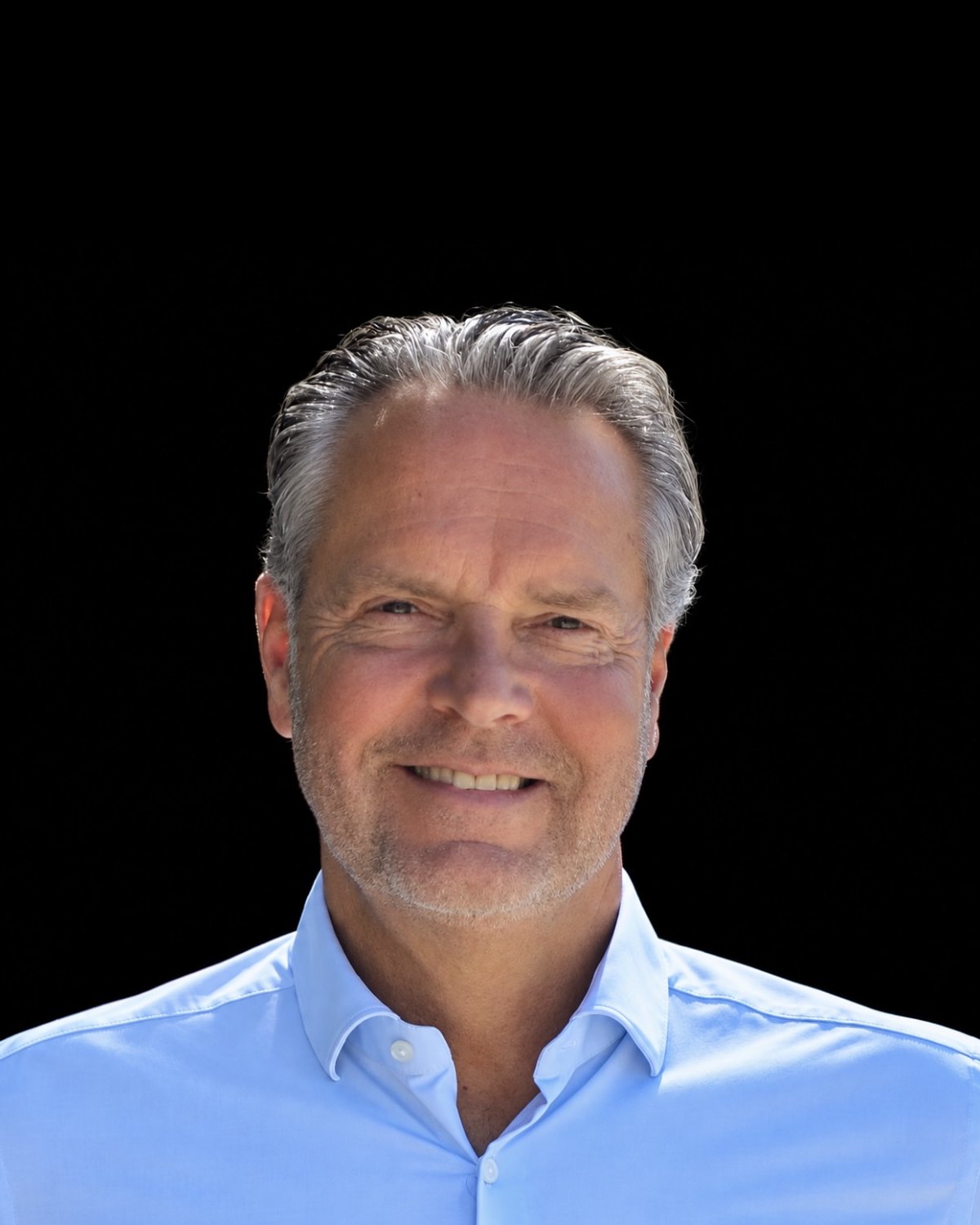
Most of us know what is good for our health. Far fewer of us actually do it.
That gap between knowing and doing is, in my experience, the real challenge of prevention. It is rarely a lack of information. It is a lack of support.
What I learned selling computers
In 1985 I started selling Apple Computers in the Netherlands. Personal computers were new, and most organisations did not see why they needed one. What convinced universities and large companies was never the technical specifications. It was seeing, very concretely, what the machine in combination with the right software (applications) could do for their daily work.
That lesson has stayed with me for forty years: people do not adopt what they are told is good for them. They adopt what they understand, and what makes their life comfortable and convenient.
Prevention works the same way. A test result or a list of recommendations changes little on its own. Understanding what it means for you, and having a clear next step, has great impact.
Twenty years of habits
For more than twenty years I worked in the global wellness industry, building and supporting a business first in the Netherlands and then internationally. I mentored thousands of entrepreneurs and helped launch an education app that supported millions of entrepreneurs worldwide.
I saw many people change their habits. Almost none of them did it alone. The ones who succeeded had someone to ask, someone to report to, a group that expected them to show up.
Knowledge started the change. Support is what made it last.
Why prevention needs medicine
I also learned where motivation ends. Enthusiasm can start a change, but it cannot replace a proper medical assessment. Good intentions are not a diagnosis.
That is what drew me to ETRYUM: prevention led by experienced physicians and therapists, based on evidence, where decisions around and with each patient are always taken by health professionals. No miracle promises and no longevity marketing. Just rigour, and the time to explain it well.
Why together goes further
At ETRYUM, “together” means three things:
- A team around each person. Physicians, physiotherapists and other specialists coordinate around the same patient, instead of working in separate silos.
- The patient as part of the team. Understanding the plan, asking questions and having follow-up, so the change lasts beyond and outside the consultation room.
- Companies and communities. Many of the habits that shape our health are formed at work. When organisations take the health of their people seriously, prevention reaches far more people than any single clinic could.
To finish
I have always believed that alone you are faster, but together you go further. It is true in business. I believe it is even more true in health.
Prevention is not something you buy once. It is something you build, with the right people around you.
This article is part of the ETRYUM Vision series. Sofía Díaz Imbroda explains what a clinic can learn from hospitality in What hospitality can teach a clinic.
This article is for general information and does not replace an individual medical assessment.
More ETRYUM Insights
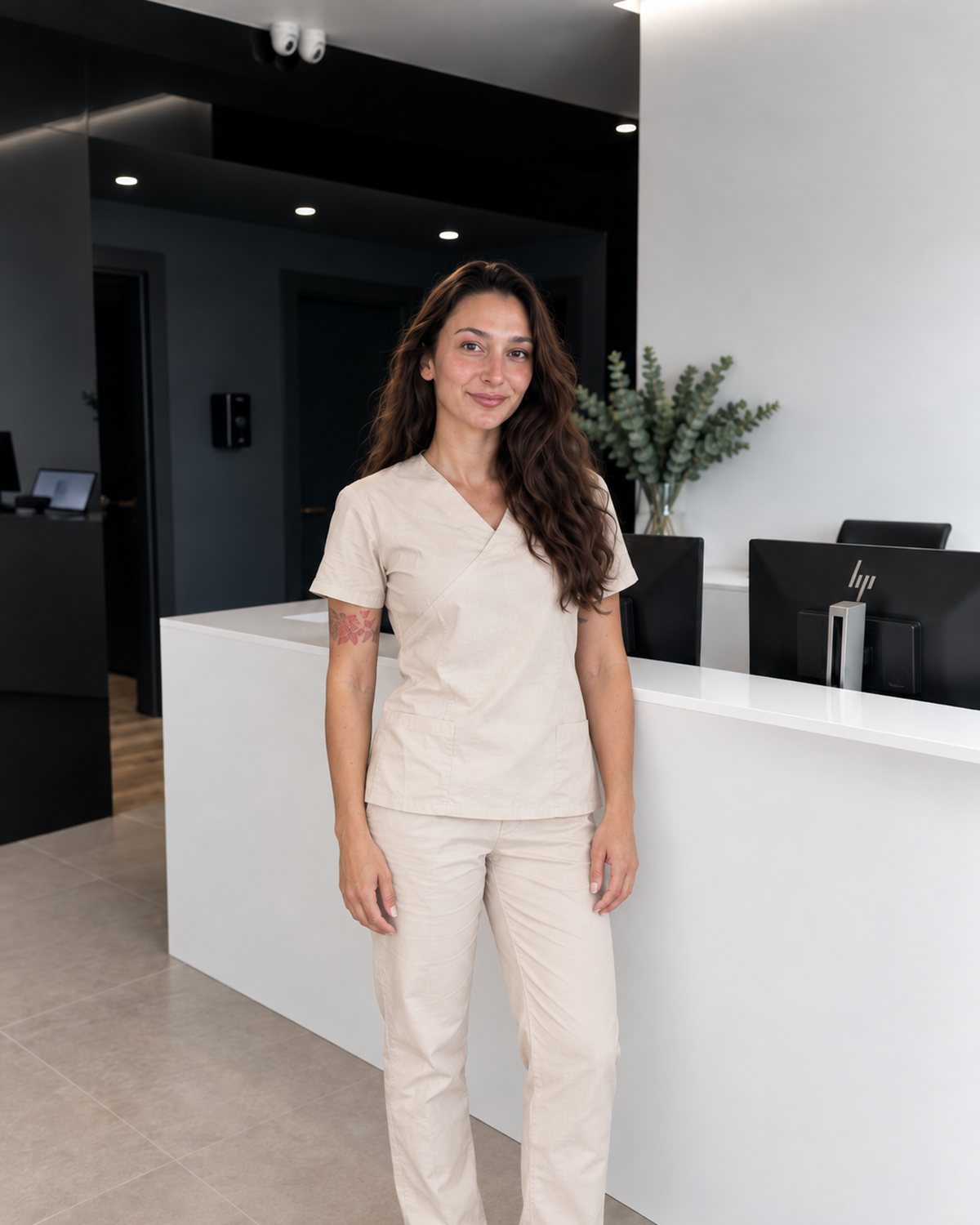
Your skin as a mirror of your health: what does it tell us, and how should we care for it?
Skin is not just a wrapping. It is a living organ that protects, defends and, sometimes, warns. What it can tell us, what really ages it and which kinds of care are backed by evidence. Marta Herrero, a nurse at ETRYUM, explains.
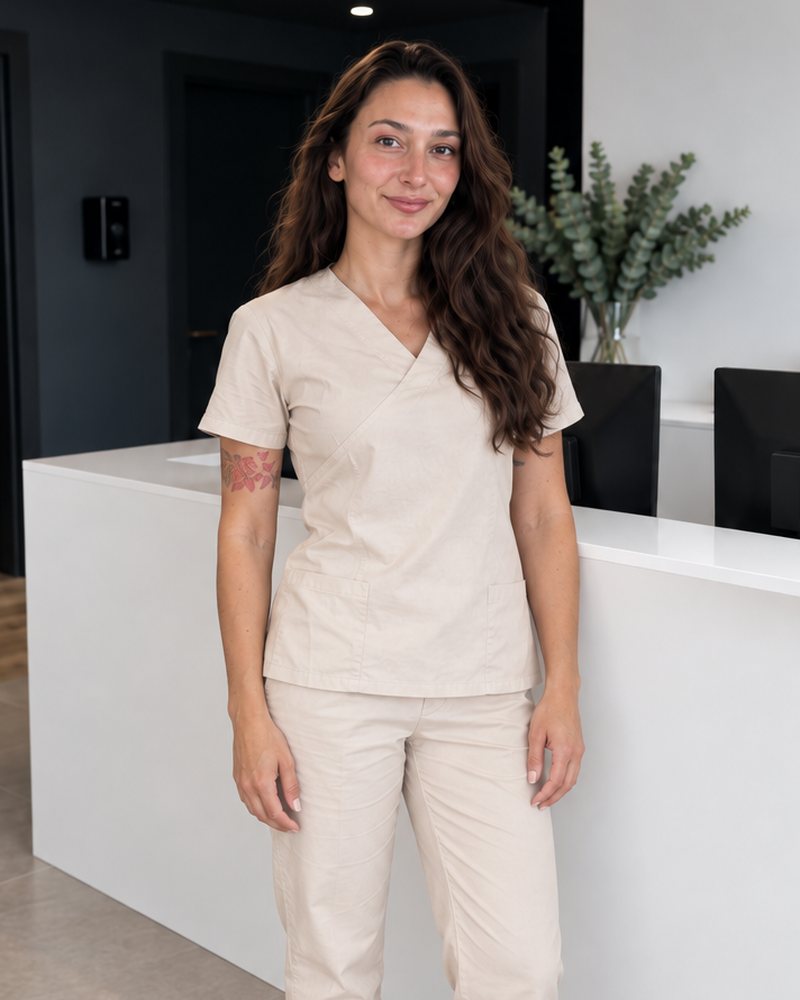
Marta Herrero · Clinical care and aesthetics 26 OCT 2026 · 8 MIN
It hurts when I play sport: when should I see an orthopaedic surgeon?
Which pain is normal, which deserves a consultation and which cannot wait. And why an MRI does not always tell the whole story. Explained by Dr Pablo Clemente, orthopaedic and trauma surgeon at ETRYUM.
Dr Pablo Clemente · Orthopaedics and sports medicine 19 OCT 2026 · 6 MIN
Your back is much more than a spine
Why back pain is so common and tends to come back, what influences it beyond the spine, which warning signs should not be ignored and why therapeutic exercise is the key. Explained by Samuel Rubio, physiotherapist at ETRYUM.
Samuel Rubio · Physiotherapy and recovery 17 OCT 2026 · 7 MIN