



There are times when going to a clinic means much more than arriving for an appointment.
A person may come in pain, with questions they do not yet know how to put into words, or with the unease of someone waiting to understand what is happening to them. They may have spent time looking for answers and need, above all, someone to listen to them without hurry or judgement.
After more than twenty years working in hospitality, luxury retail and wellness, I have learned that a good experience begins by paying attention to the person in front of us. It is not about anticipating everything or treating everyone the same. It is about observing, listening and responding with respect to what each person needs at that moment.
In short: hospitality does not replace medical judgement, but it can help a person feel heard, understand what is explained to them and take part in their own care. For that, patient experience cannot be decoration: it has to be operations, with a coordinated team that shares information and keeps improving.
What place does hospitality have in a clinic?
In a clinic, that sensitivity takes on another dimension. We are talking about health, about decisions that belong to healthcare professionals and, sometimes, about situations of vulnerability. Hospitality does not replace medical judgement. What it can do is help create the conditions for a person to feel heard, understand what is explained to them and take part in their own care.
Patient experience is not decoration. It is operations
A pleasant space can convey calm, but what leaves a mark is usually less visible: someone remembering why you came, not having to tell the same story again and again, being told clearly what the next step is, or people who know how to support you when something does not go as planned.
None of that should depend solely on one person’s goodwill.
To care with warmth, the team also needs to feel supported: to share information, know their role and be able to rely on one another. When the people working behind the scenes are connected, that coordination can be felt at the front, even if the patient never gets to see it.
What I bring from luxury, hospitality and wellness
- Luxury retail taught me to take care of the details without losing sight of the person.
- Hospitality, to understand that trust is built in every encounter.
- Wellness, to think of well-being as a journey, not an isolated moment.
These are lessons I bring with me to ETRYUM. I also know that a clinic has its own demands: here, every decision about health must rest on the knowledge and responsibility of its professionals.
What I would like people to feel when they walk into ETRYUM
That is why I am excited to be part of a project that aims to connect different disciplines around one person. From my experience, I can help that vision become a way of working that is consistent with what we want to offer. Excellence is not promising a perfect experience; it is taking responsibility for preparing it well, listening to what happens in practice and improving continuously.
I would like whoever walks into ETRYUM to sense something simple and, at the same time, hard to achieve: that they are treated as a person, that the team knows how to work together and that their health is in the hands of professionals who take their work seriously.
A human, rigorous and sustainable experience is built like this, one encounter at a time.
This article is part of the ETRYUM Vision series. Dr Mario Parra explains the system behind the clinic in A good team is not enough: you need a system.
This article is for general information and does not replace an individual medical assessment.
More ETRYUM Insights
A good team is not enough: you need a system
The best professionals, working separately, do not guarantee good care. Dr Mario Parra, co-founder and Clinical Director of ETRYUM, explains the idea of a system on which the clinic has been built.
Dr Mario Parra Rawel · ETRYUM Vision 9 OCT 2026 · 3 MIN
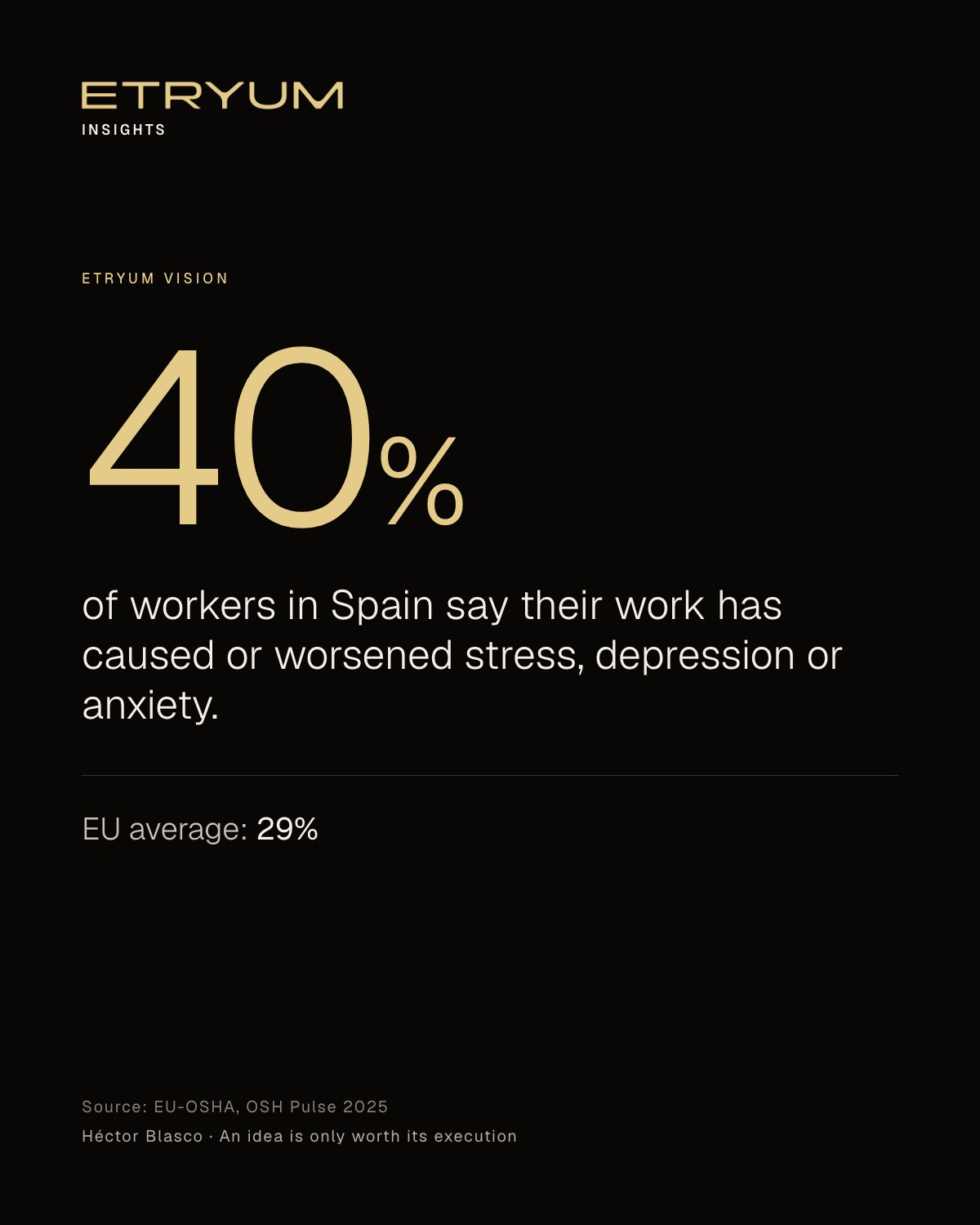
An idea is only worth its execution
A clinic that looks after other people’s health has to start by looking after its own team. Héctor Blasco, co-founder of ETRYUM, explains why managing people is also part of the quality of care.
Héctor Blasco · ETRYUM Vision 7 OCT 2026 · 4 MIN
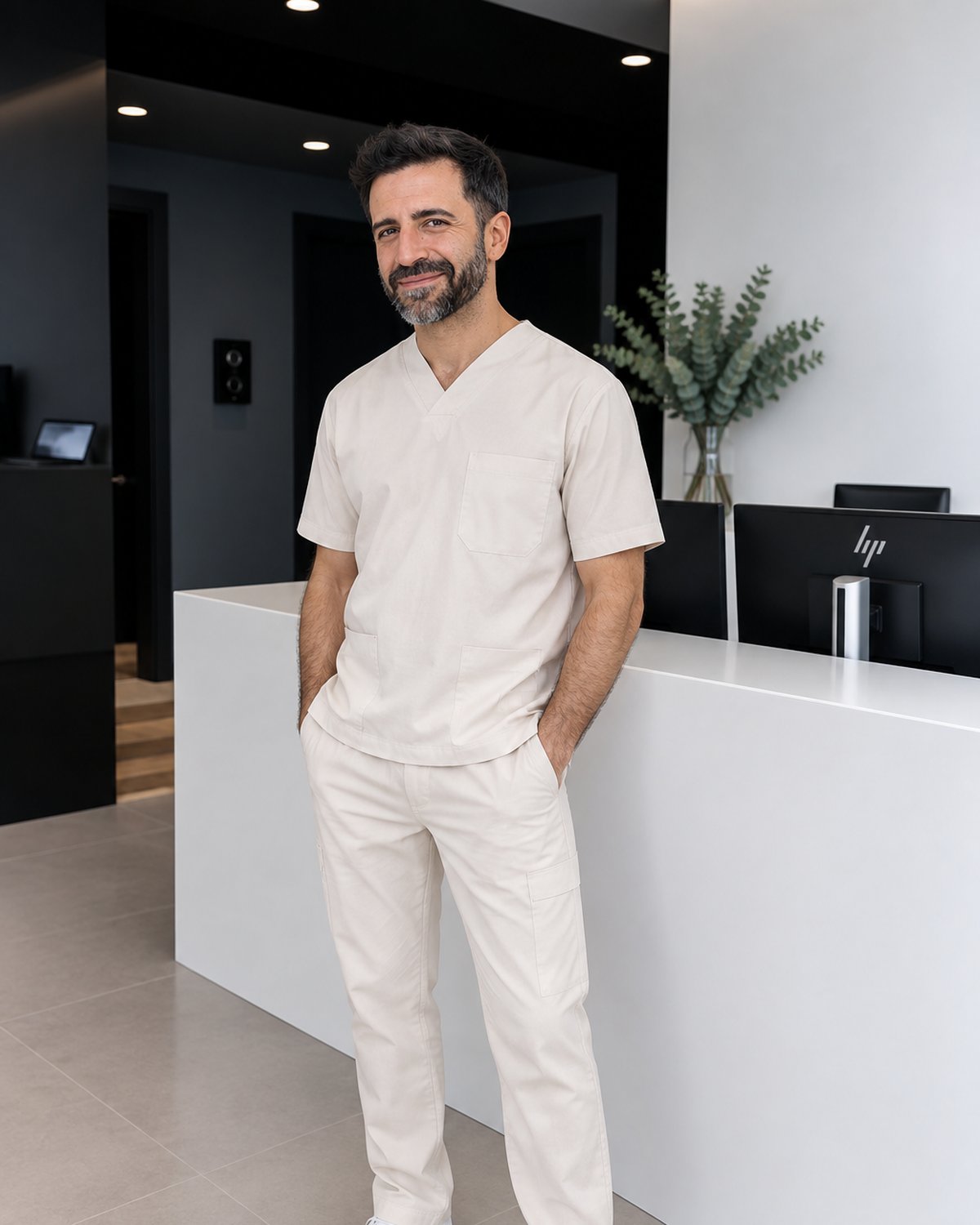
What is psychoneuroimmunology, and how does chronic stress affect your body?
Stress is not just a feeling. It is a biological response involving the brain, hormones and the immune system. Cristóbal Becerril, ETRYUM’s clinical PNI specialist, explains what happens when it becomes chronic and how to help the body find its rhythm again.
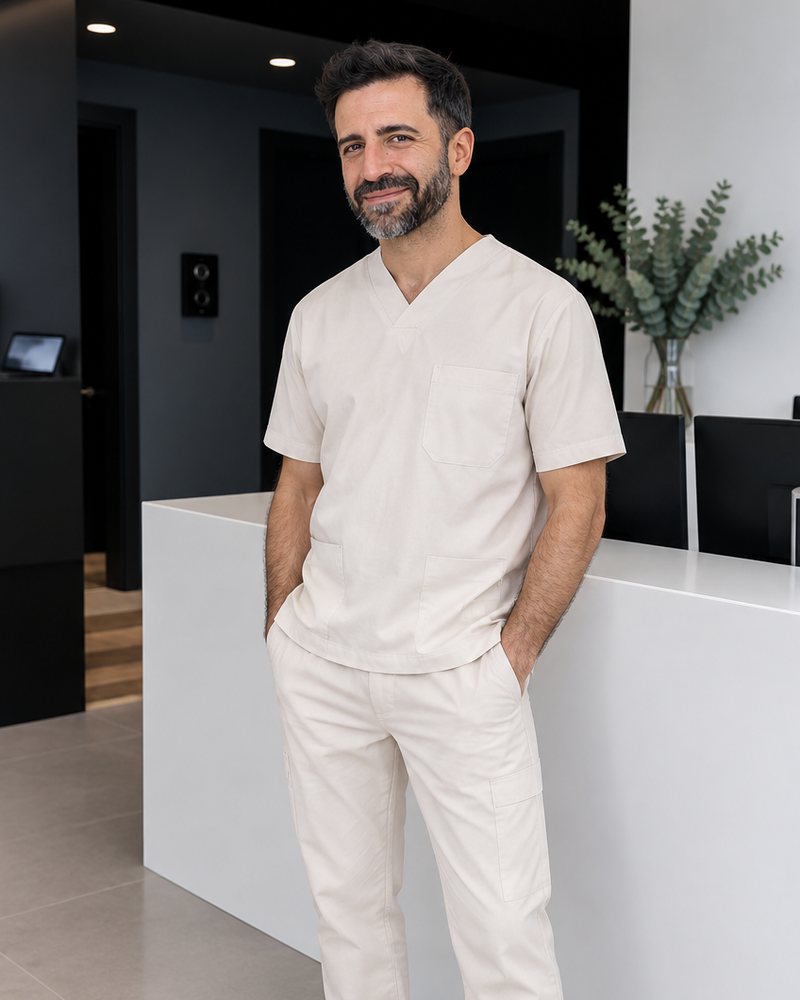
Cristóbal Becerril · Psychoneuroimmunology 5 OCT 2026 · 9 MIN