

Many patients have lived through the same thing: each specialist did their part well, but nobody saw the whole picture.
A blood test in one practice, a scan in another, a treatment in a third. Reports travelling in a folder the patient carries around. Each professional gets their own part right and, even so, the person leaves feeling that a piece is missing.
It is not a talent problem. It is a system problem.
Good professionals are not enough
I have spent my whole career between clinical practice and training other professionals. I have seen the same professional achieve different results in two different settings. What changes is not their knowledge, but what surrounds them: the information they have, the time, who they can discuss a case with and what happens to the patient once they walk out of the door.
That is exactly what a system is: what makes good care independent of luck, of the day or of who you happen to see.
What a system means in a clinic
At ETRYUM we have designed it as five pieces that have to fit together:
-
01
One way in
A first assessment of about 60 minutes, in which the whole story is heard before anything is decided.
-
02
One single record
The patient’s information is the same for the whole team, so they do not have to tell their story again at every appointment.
-
03
A team that talks
Every discipline is coordinated around the same person, not in separate departments.
-
04
Shared criteria
Common clinical standards, so that two professionals facing the same case follow the same logic.
-
05
Follow-up
Care does not end in the consultation room: we check whether the plan is working and adjust it.
None of these pieces is spectacular on its own. Together, they change the patient’s experience and the quality of the decisions.
Technology at the service of clinical judgement
Part of my work in recent years has been studying how artificial intelligence can help in healthcare. My conclusion is a cautious one: technology is very good at organising information, detecting patterns and taking away administrative work. It is not good at replacing the judgement of a professional who knows the person in front of them.
That is why, at ETRYUM, technology is there to give professionals more time and better information. The decision remains clinical and human.
A system also has to learn
In 2020 I completely changed the way I worked. It was a difficult decision, and it taught me something I apply at ETRYUM: systems also have to learn. Reviewing what we do, measuring it and correcting it is part of the work, not an audit that comes from outside.
The same is true of people. A team that keeps learning, shares cases and accepts that things can always be done better is a team that cares better.
To finish
Building ETRYUM has been, above all, designing a system: who sees the patient, with what information, how the professionals coordinate and what happens next.
If we do it well, the patient should not notice the system. They should only notice that everything fits.
Improving yourself is the best way to help others better. And a system that improves every year is the best way to care better for more people.
This article is for general information and does not replace an individual medical assessment.
More ETRYUM Insights
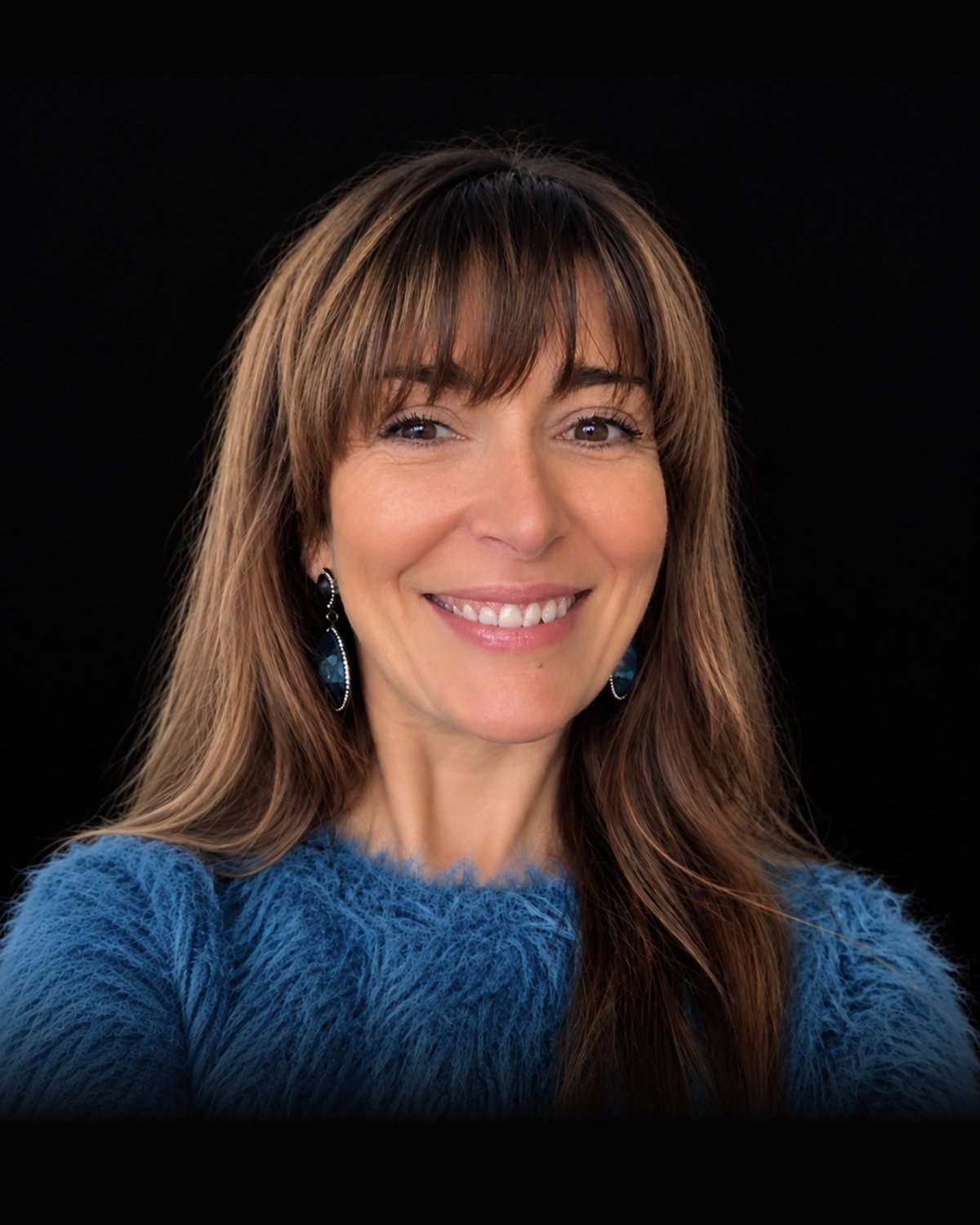
What hospitality can teach a clinic
Sofía Díaz Imbroda, Investor Relations & Operations at ETRYUM, has spent more than twenty years in hospitality, luxury retail and wellness. She explains what that experience can bring to a clinic, and where its limit lies, medical judgement.
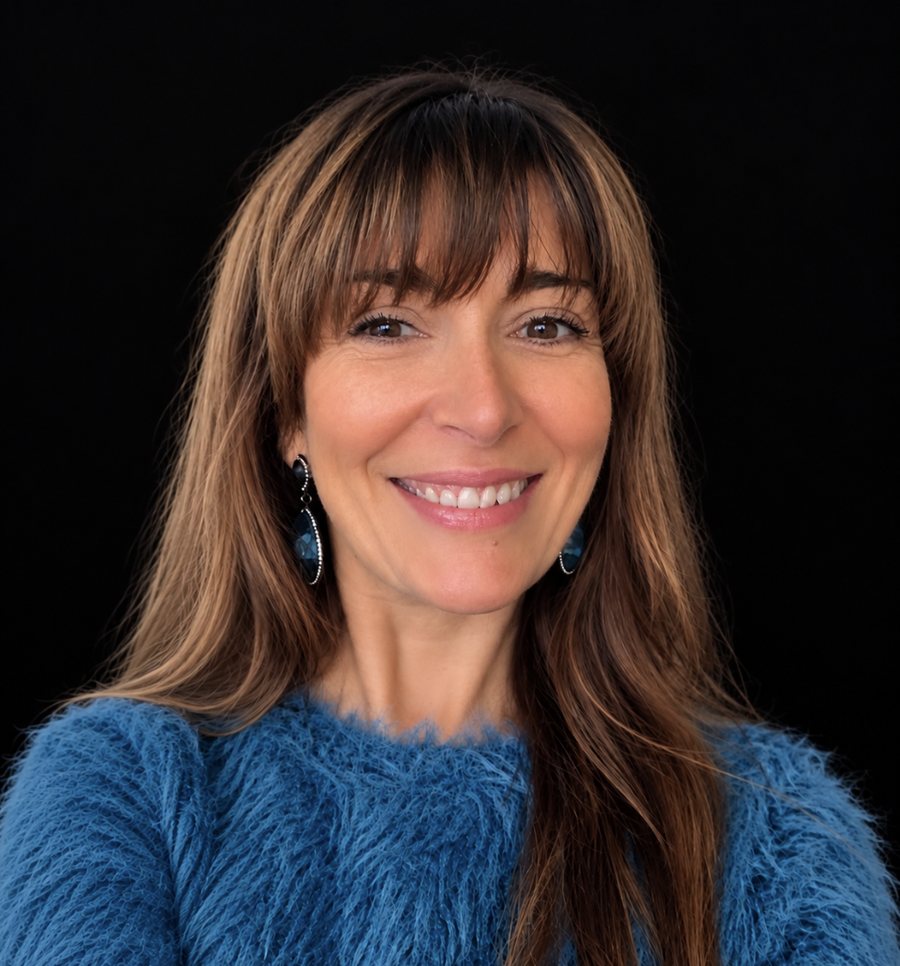
Sofía Díaz Imbroda · ETRYUM Vision 12 OCT 2026 · 3 MIN
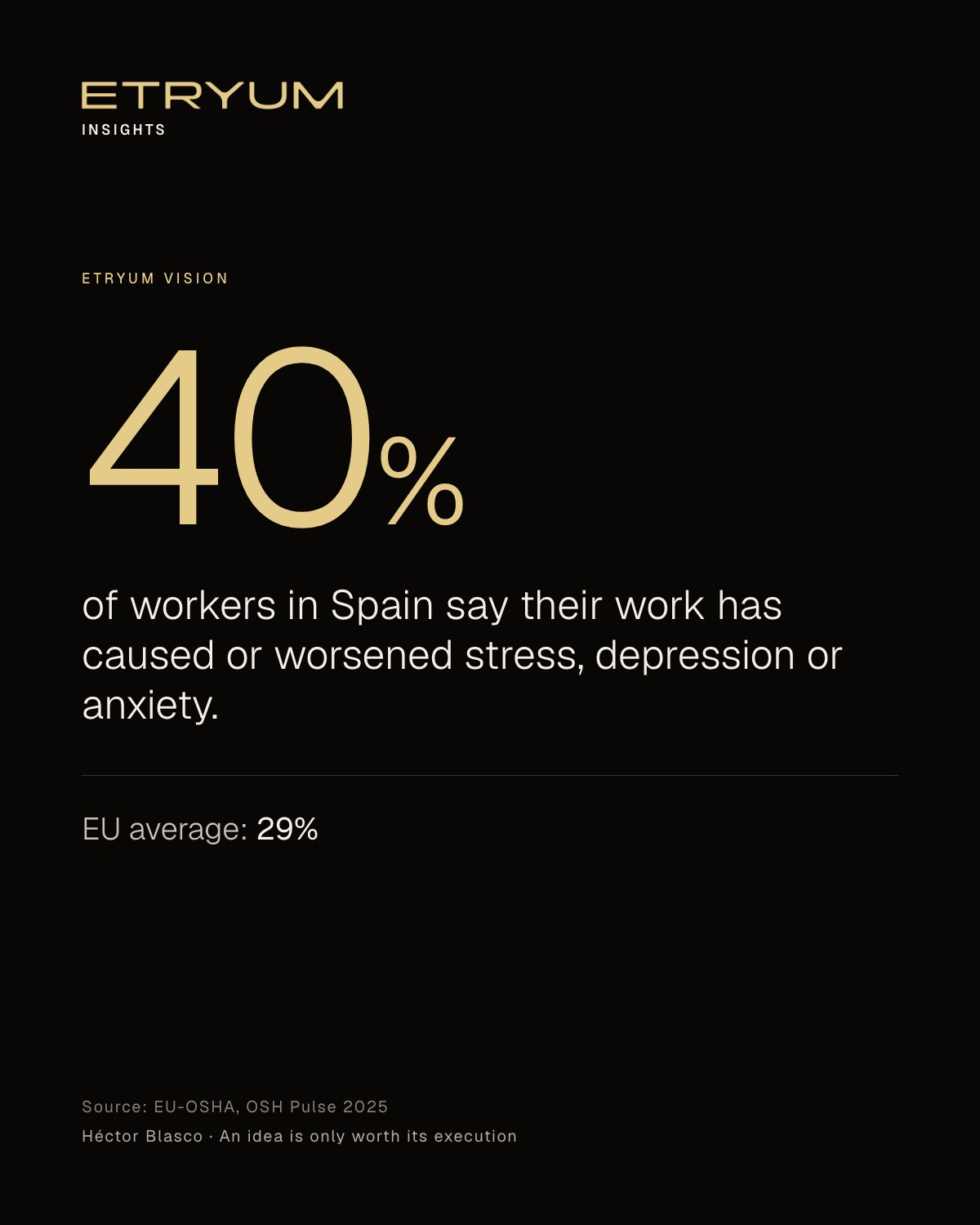
An idea is only worth its execution
A clinic that looks after other people’s health has to start by looking after its own team. Héctor Blasco, co-founder of ETRYUM, explains why managing people is also part of the quality of care.
Héctor Blasco · ETRYUM Vision 7 OCT 2026 · 4 MIN
What is psychoneuroimmunology, and how does chronic stress affect your body?
Stress is not just a feeling. It is a biological response involving the brain, hormones and the immune system. Cristóbal Becerril, ETRYUM’s clinical PNI specialist, explains what happens when it becomes chronic and how to help the body find its rhythm again.
Cristóbal Becerril · Psychoneuroimmunology 5 OCT 2026 · 9 MIN